01
Agave
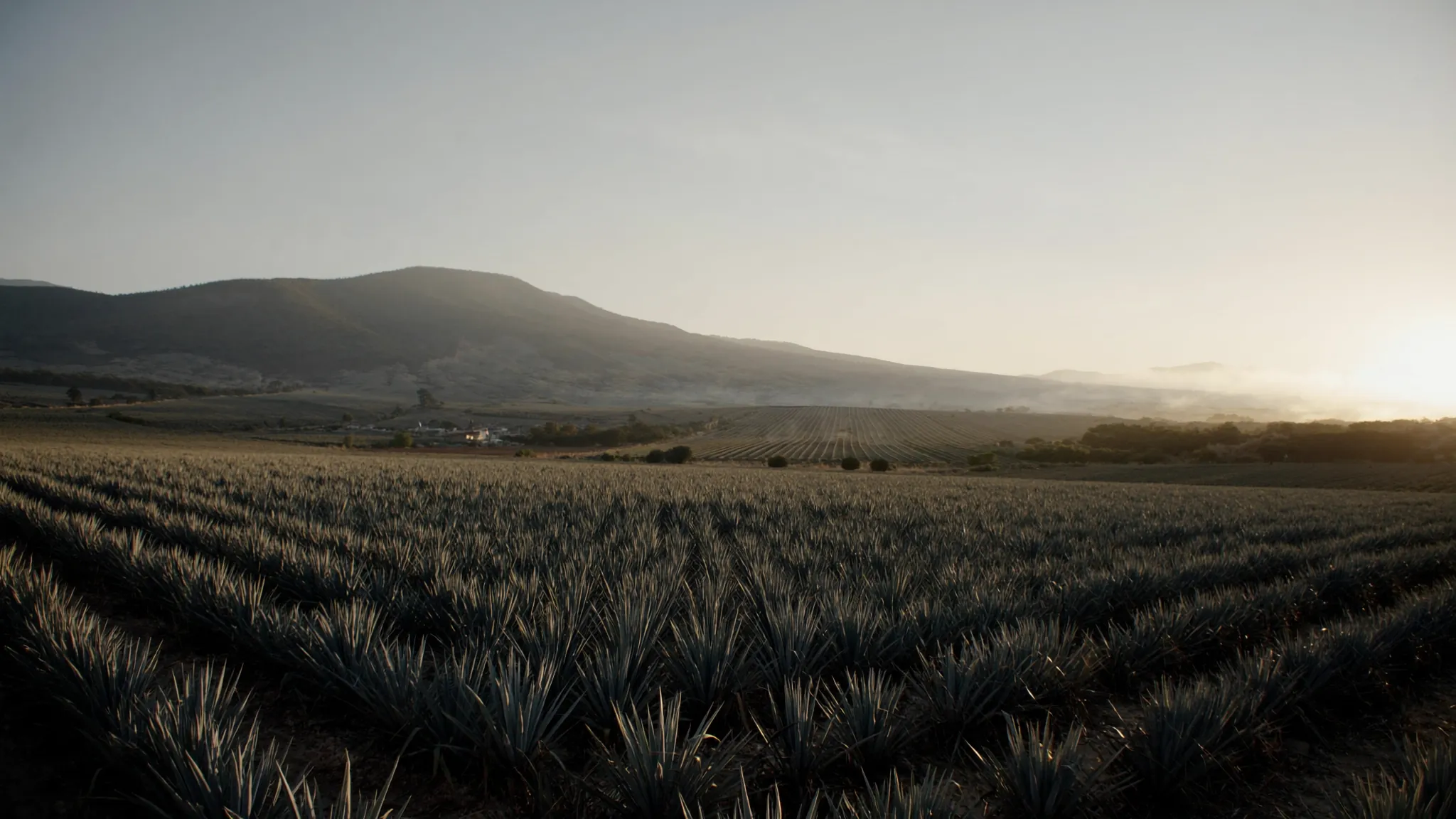
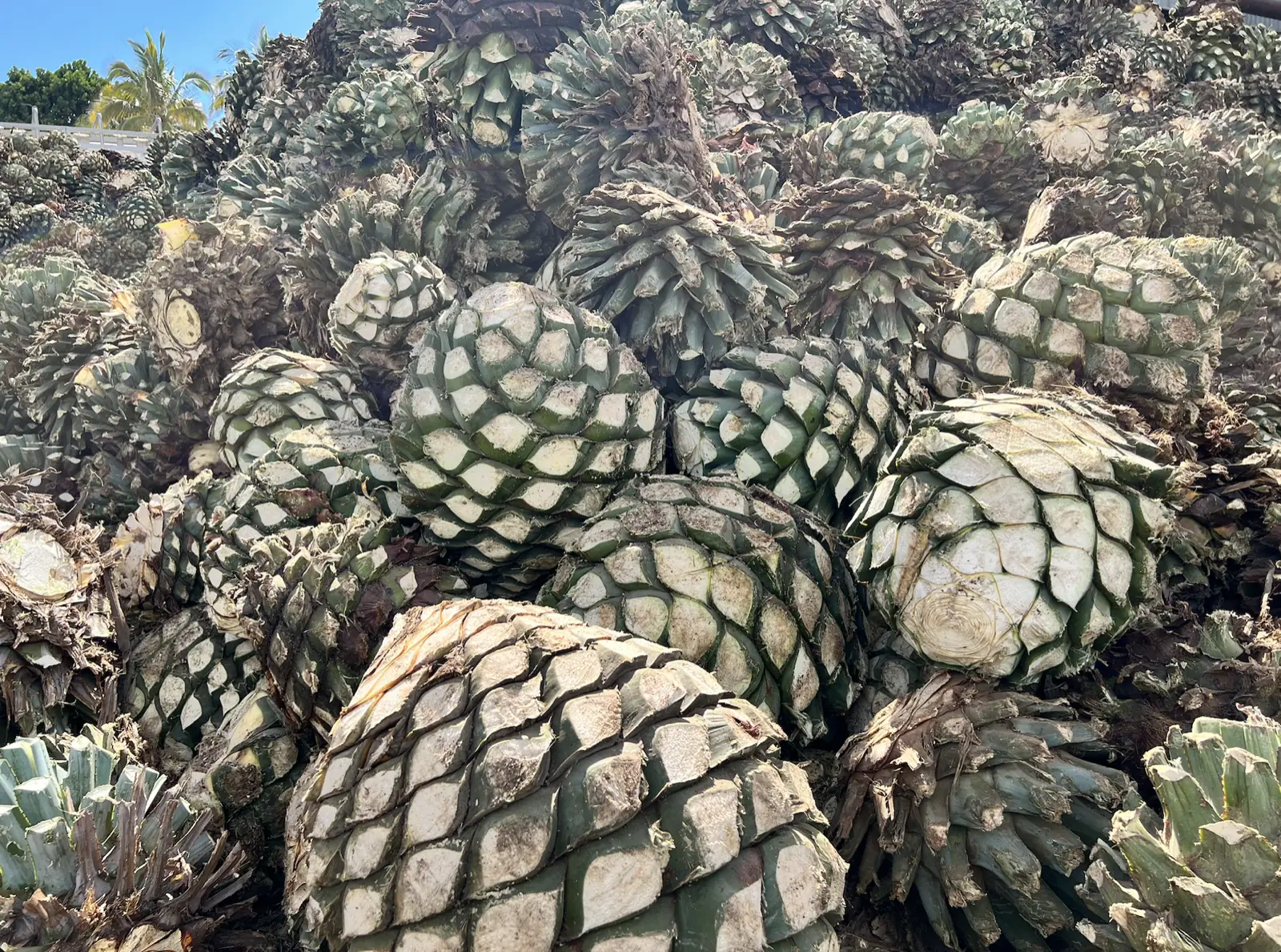
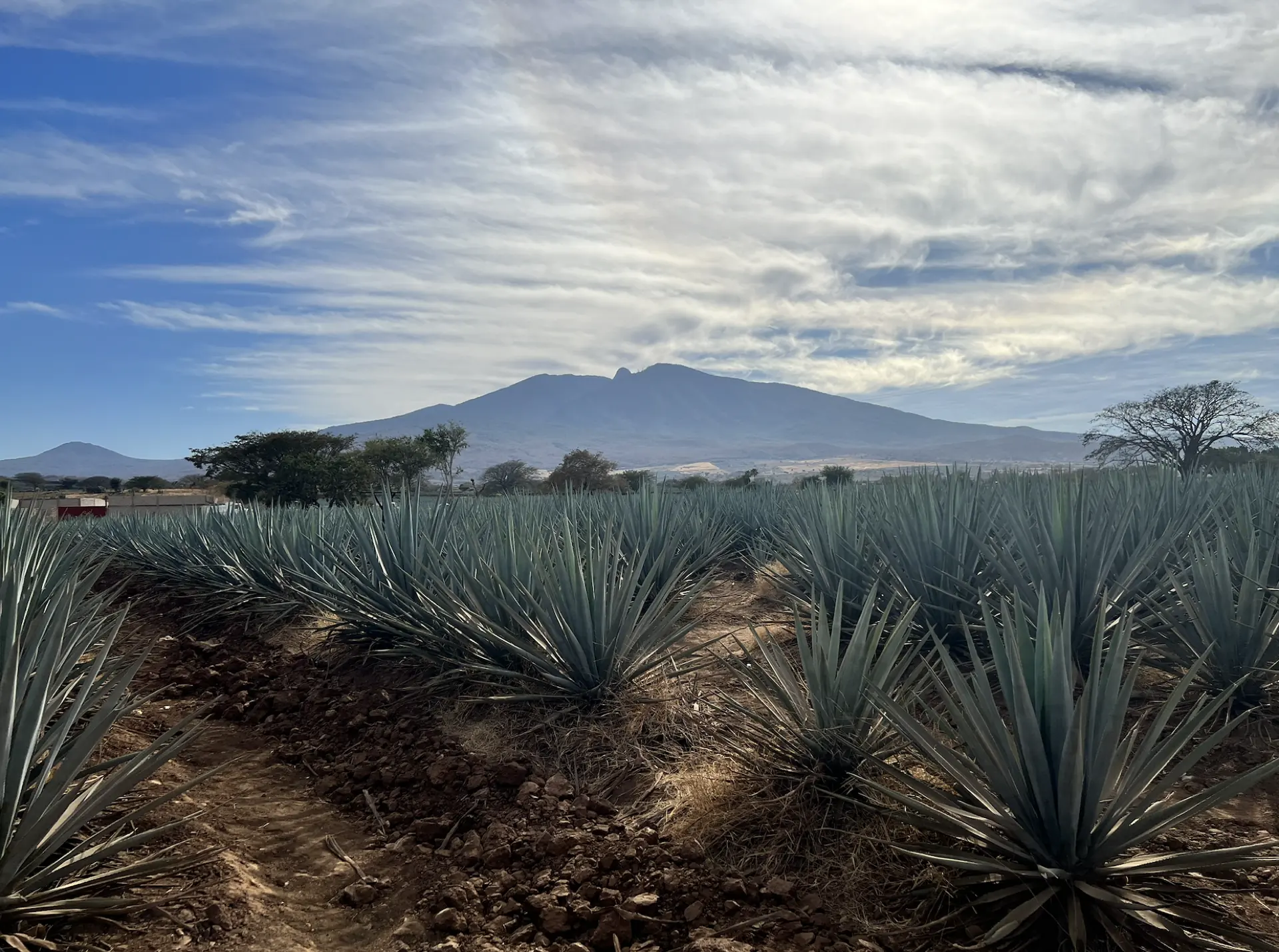
100% Blue Weber, harvested at maturity from the Valley of Tequila, Jalisco. Everything the spirit will eventually taste of begins as sugar stored in the heart of the plant.


Where Myth Becomes Spirit
DOGMA Tequila is intended for adults of legal drinking age in their country of residence.
By entering you accept our Terms of Use and Privacy Policy.
Please enjoy DOGMA responsibly. Never share with minors.
Craft & Origin
Between a mature agave and a finished bottle there are six stages. Each is a transformation, and each leaves something behind in the glass. Nothing here is decorative — it is simply what has to happen.
100% Blue Weber, harvested at maturity from the Valley of Tequila, Jalisco. Everything the spirit will eventually taste of begins as sugar stored in the heart of the plant.
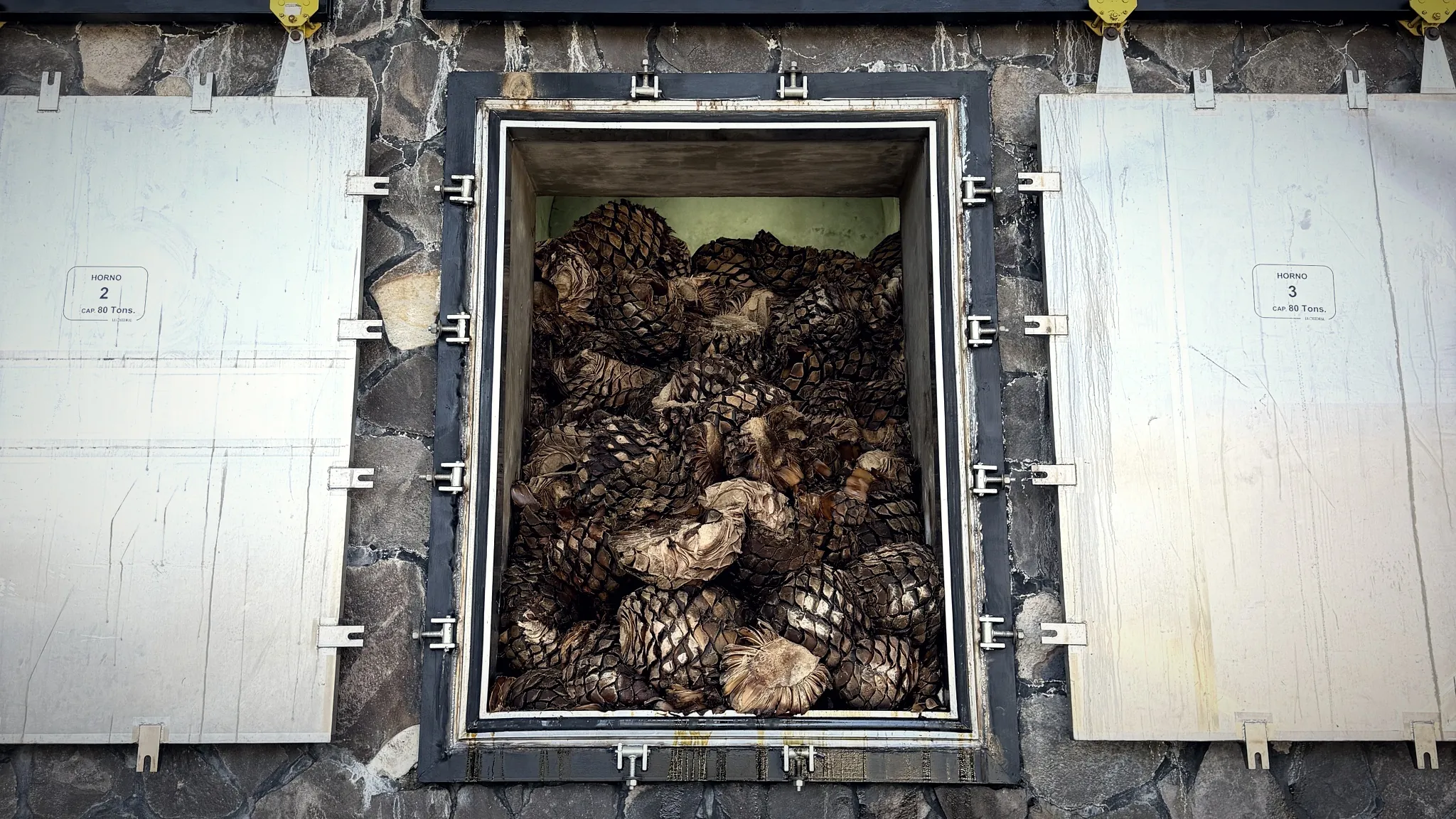
The piñas are cooked slowly. Heat converts the plant's complex starches into fermentable sugar and, in doing so, writes the first half of the flavour — cooked agave, caramel, gentle sweetness.
Controlled fermentation that preserves the plant's character. Yeast turns sugar into alcohol and, far more importantly, into aroma — the stage that decides whether a tequila will have anything to say.
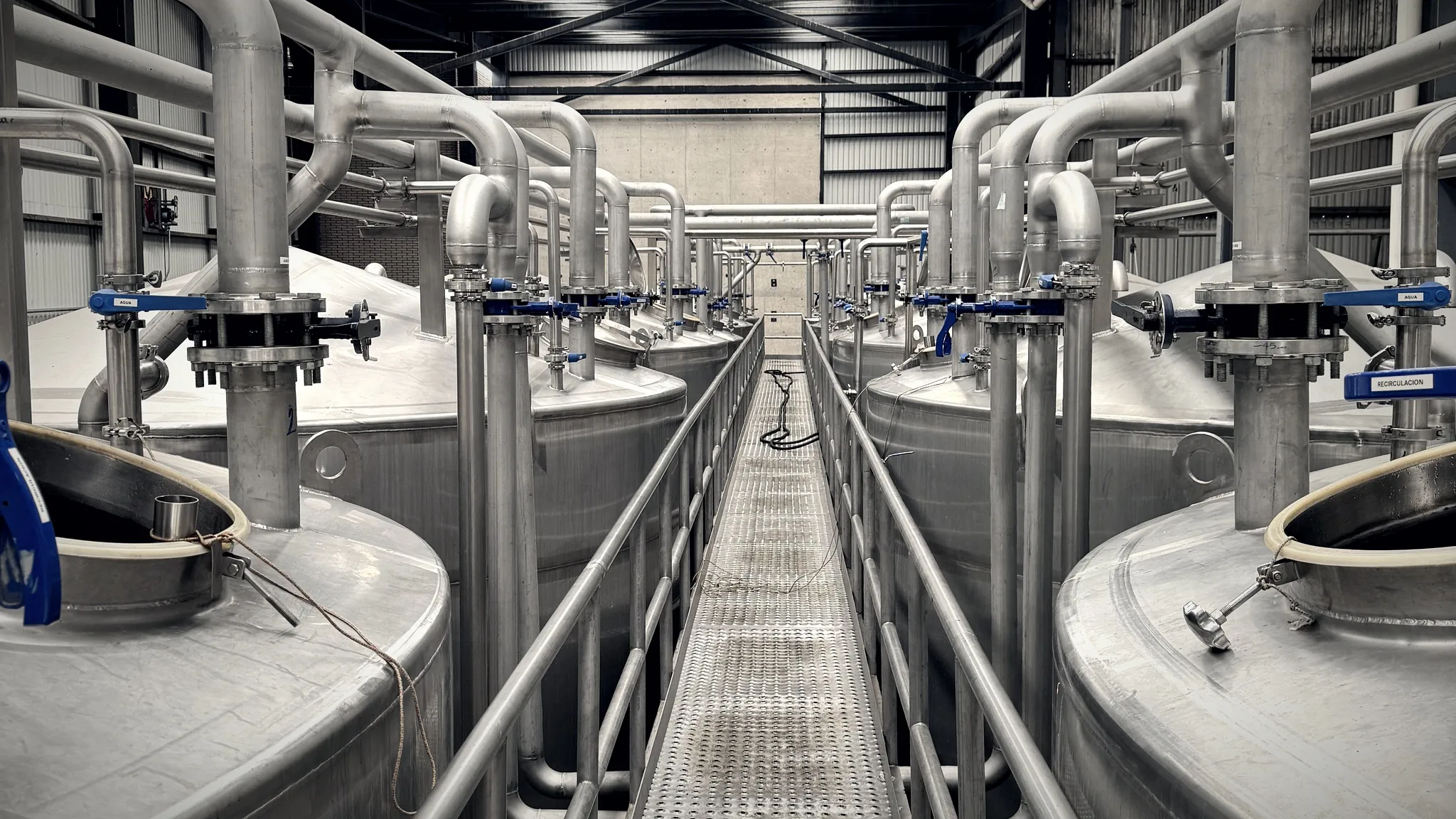
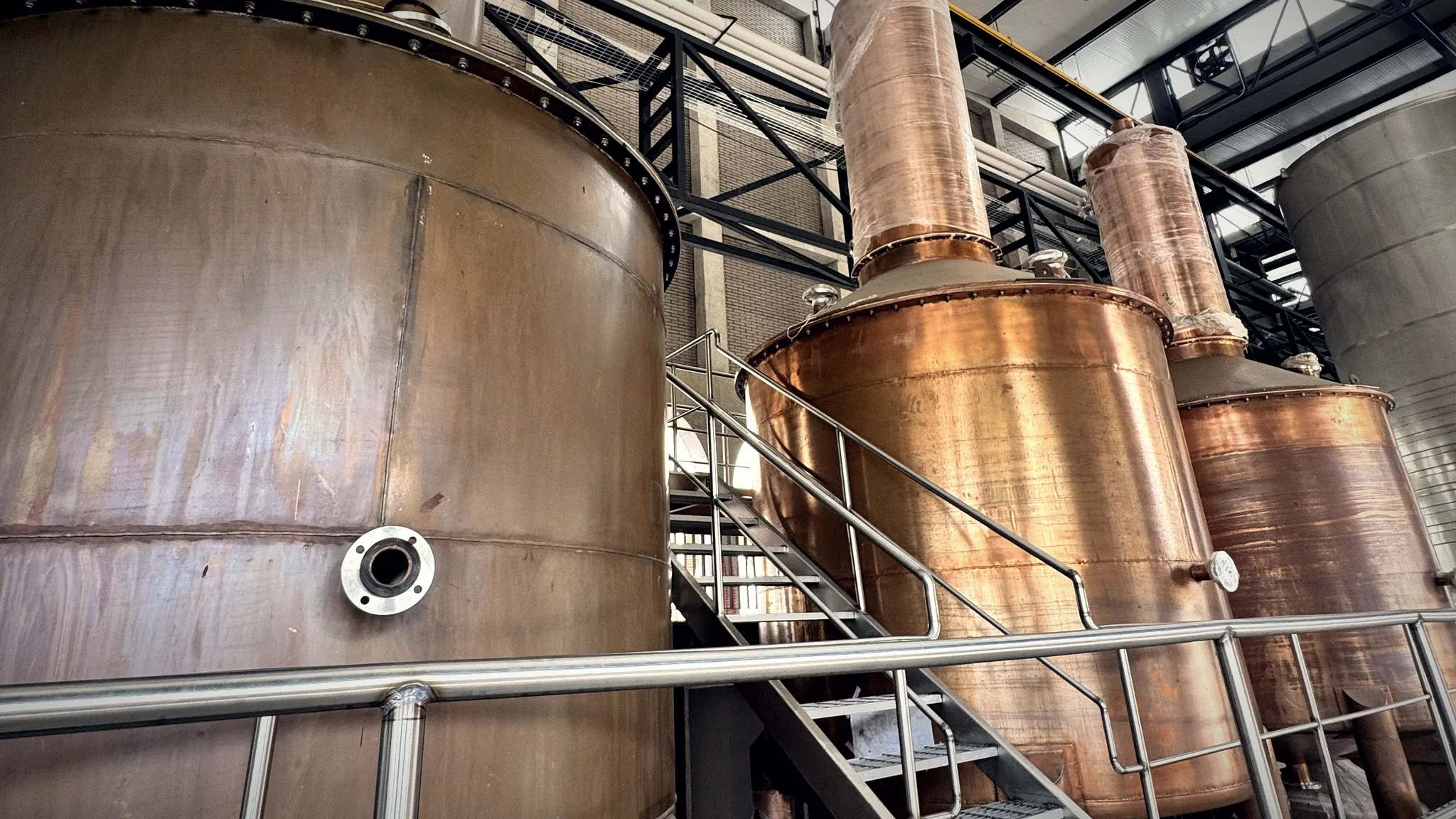
Precise distillation guided by craft, not haste. Copper and heat separate what stays from what goes, and the cuts made here are the least visible and most consequential decisions in the process.
Quiet years in American oak, with time as a co-author. The wood gives colour, vanilla, spice and texture — and takes away edges. Then time does what no process can accelerate: six months for the Reposado, more than a year for the Añejo, three full years for the Extra Añejo. The Blanco never enters a barrel at all. It is the same idea measured in different amounts of patience, and it is the only ingredient that cannot be bought.
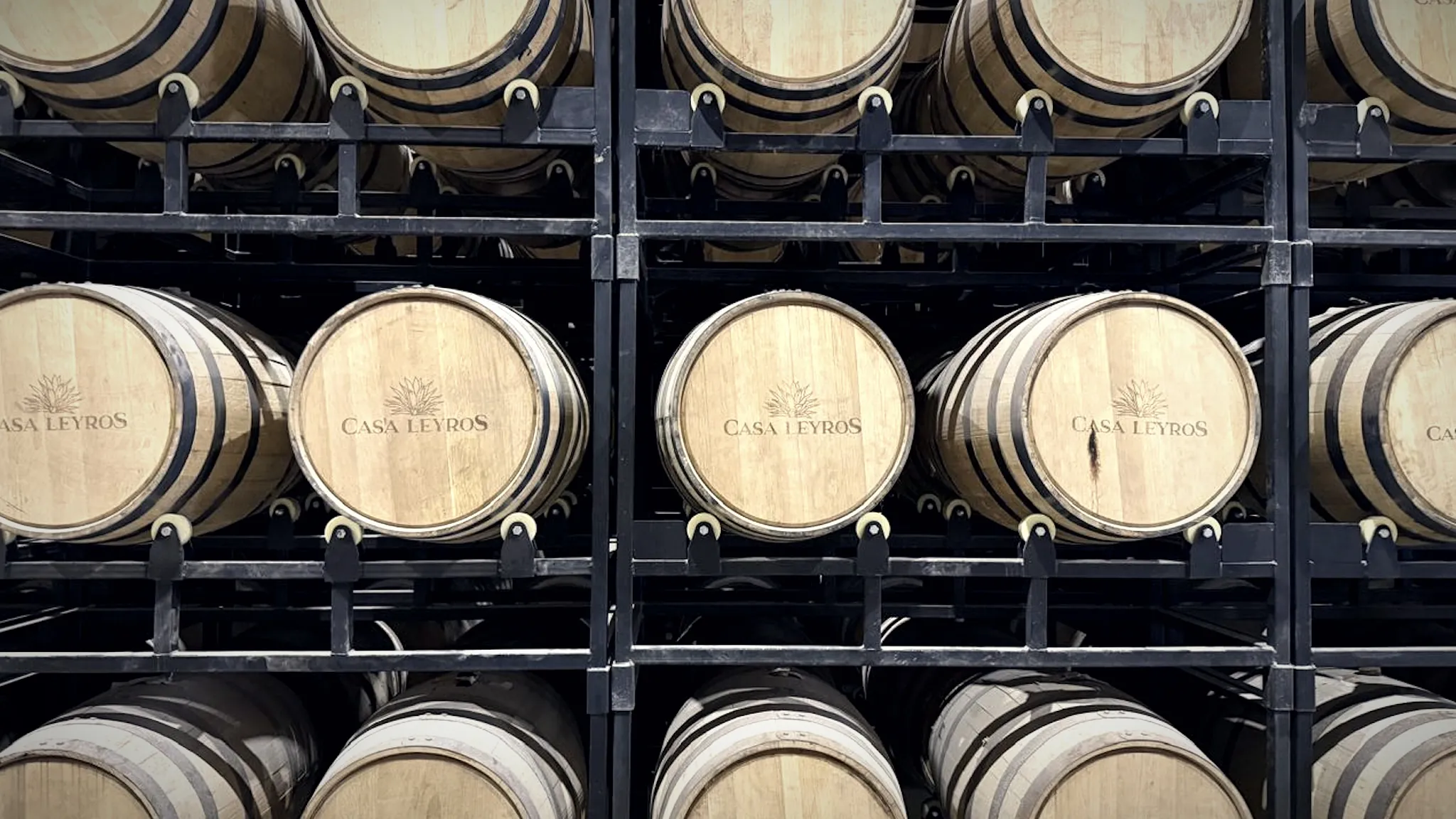
DOGMA is produced in Tequila, Jalisco, under the denomination of origin, from 100% Blue Weber agave, under NOM 1489, and rested in American oak barrels.